
Introduction
Search Engine Optimization is not just about what happens on your website. While on-page SEO focuses on optimizing your website content and structure, off-page SEO involves everything you do outside your website to increase its authority, trust, and visibility in search engines.
In this guide, you’ll find a complete off-page SEO checklist suitable for beginners as well as experienced marketers looking to refine their strategy in 2025.
What is Off-Page SEO?
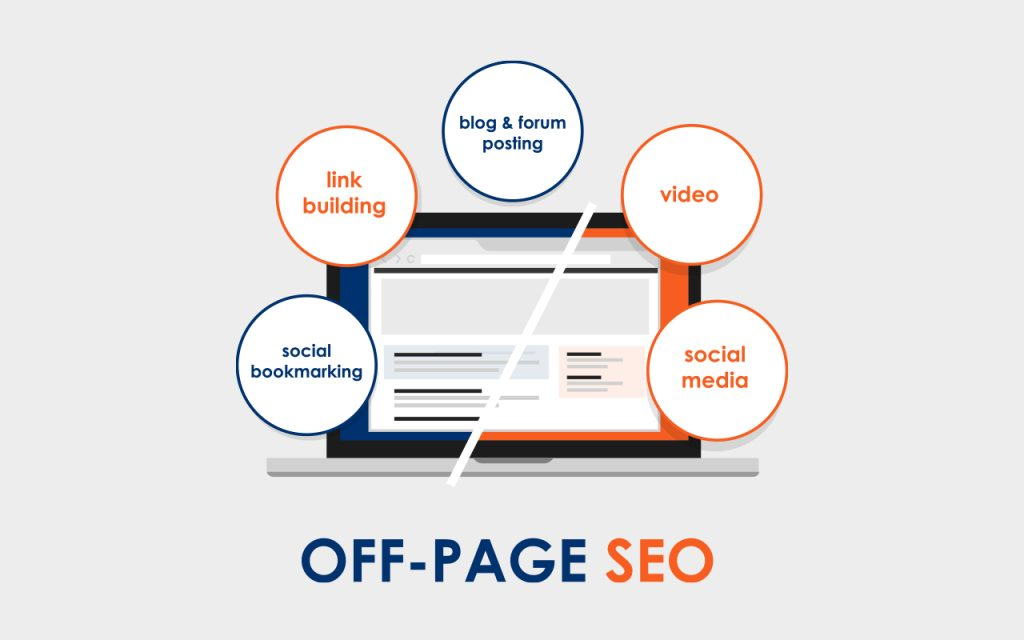
Off-page SEO refers to all the actions taken outside your website to improve its search engine rankings. These include:
- Building backlinks
- Increasing brand mentions
- Social media marketing
- Influencer outreach
- Online reputation management
- Local SEO signals
Google uses off-page factors to determine how popular, relevant, and trustworthy your site is. The more high-quality signals pointing to your website, the better your chances of ranking higher in search results.
Why is Off-Page SEO Important?
Without off-page SEO, even the best content may struggle to rank. Here’s why it matters:
- Builds domain authority
- Increases website trustworthiness
- Drives referral traffic
- Improves keyword rankings
- Strengthens online brand presence
Simply put: Off-page SEO builds your website’s reputation on the internet.
Off-Page SEO Checklist (Step-by-Step)
1. High-Quality Backlink Building
Backlinks remain the most powerful ranking factor in off-page SEO.
Focus on:
- Getting links from high-authority websites
- Relevant niche websites
- Natural anchor texts
Avoid:
- Spammy backlinks
- Paid link schemes
- Link farms
Best strategies:
- Guest posting
- Broken link building
- Skyscraper technique
- Resource page outreach
2. Guest Blogging
Guest blogging is still one of the most effective link-building techniques.
Steps:
- Find relevant blogs in your niche
- Pitch unique content ideas
- Include a contextual link to your website
This not only builds backlinks but also positions you as an industry expert.
3. Social Media Marketing
While social signals aren’t direct ranking factors, they increase exposure and traffic.
Use platforms like:
- Twitter/X
Share:
- Blog content
- Case studies
- Infographics
- Videos
The more people discover and share your content, the more links and mentions you naturally earn.
✅ 4. Influencer Outreach
Partner with influencers in your industry for:
- Blog mentions
- Social shares
- Collaboration content
- Reviews
Influencers help amplify your content to a much larger and more targeted audience.
5. Local SEO Optimization
If you run a local business, local SEO is a must:
- Create and optimize Google Business Profile
- Collect positive reviews
- Add your business to local directories
- Maintain NAP (Name, Address, Phone) consistency
This helps your website rank in Google Maps and local search results.
6. Brand Mentions (Linked & Unlinked)
Unlinked brand mentions still count as trust signals.
Track mentions using tools like:
- Google Alerts
- Ahrefs
- SEMrush
You can also reach out to the website owner and request them to convert brand mentions into backlinks.
7. Forum & Community Engagement
Participate in platforms such as:
- Quora
- Niche forums
- Facebook Groups
Answer questions in your niche and link back to your relevant content where appropriate (without spamming).
This builds authority and drives targeted traffic.
8. Content Marketing & Distribution
Your content won’t attract links if no one sees it.
Promote it through:
- Email marketing
- Content syndication
- Paid promotion (if needed)
- Social sharing
High-value content naturally attracts backlinks over time.
9. Online Reviews & Reputation
Encourage happy customers to leave reviews on:
- Trustpilot
- Yelp
Positive reviews improve trust, increase conversions, and strengthen off-page SEO.
10. Competitor Backlink Analysis
Analyze competitors’ backlink profiles to find new opportunities.
Tools:
- Ahrefs
- Ubersuggest
- SEMrush
You can discover:
- Guest post opportunities
- High-authority blogs
- Resource links
Off-Page SEO Tips for Beginners
- Focus on quality, not quantity
- Start with guest posting and directories
- Be consistent
- Don’t buy backlinks
- Build relationships, not just links
Advanced Off-Page SEO Tips (For Experts)
- Build digital PR campaigns
- Create linkable assets (tools, statistics, reports)
- Use HARO for media links
- Combine PR + SEO strategies
- Build branded search demand
These strategies bring authority-level backlinks that dramatically improve rankings.
To build a complete SEO strategy, combine this off-page checklist with our detailed On-Page SEO Checklist and Technical SEO guide
FAQs – Off-Page SEO Checklist
1. What is the most important factor in off-page SEO?
High-quality backlinks from authoritative and relevant websites.
2. Is off-page SEO still effective in 2025?
Yes, it remains one of the top ranking factors for Google.
3. How long does off-page SEO take to show results?
Typically 3–6 months if done consistently.
4. Does social media improve SEO directly?
Not directly, but it increases visibility and backlink opportunities.
5. Is guest posting safe for SEO?
Yes, if done naturally and on high-quality websites.
For deeper learning, you can explore more Digital Marketing Blogs at:
How to Reduce Google Ads Cost Without Losing Leads
SEO Strategies : On-Page, Off-Page & Technical SEO
10 SEO Tools Every Marketer Should Use
11 Proven Ways How SEO Can Help Your Business Grow Faster
Pingback: SEO Strategies : Complete On-Page, Off-Page & Technical SEO - Website