
Introduction
On-page SEO is the foundation of every successful digital marketing strategy. If your website pages are not well-optimized, even the best off-page backlink strategy won’t deliver real results. Whether you are a beginner learning SEO or an expert refining your website’s performance, following an effective On-Page SEO Checklist is essential.
This guide covers everything from basic optimization factors to advanced SEO techniques used by professionals in 2025.
What is On-Page SEO?
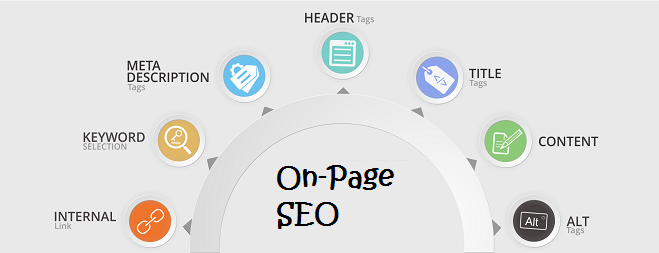
On-page SEO (also called on-site SEO) refers to the practice of optimizing individual web pages to rank higher and earn more relevant traffic from search engines. It includes content quality, keyword placement, HTML tags, website structure, images, internal links, page speed, and user experience.
Unlike off-page SEO, which focuses on backlinks and external signals, on-page SEO is completely within your control and directly impacts search engine rankings.
Why On-Page SEO is Important in 2025
Search engines like Google now focus on:
- Content relevance
- User experience (UX)
- Mobile-first indexing
- Helpful and people-first content
- Page experience and Core Web Vitals
If your page is not optimized for these factors, it will struggle to rank, no matter how strong your domain authority is. That’s why having a well-structured on-page SEO checklist is critical for both beginners and advanced marketers.
Complete On-Page SEO Checklist for Beginners
Here are the basic yet powerful steps every beginner must follow:
1. Use Your Primary Keyword in Key Places
Make sure your focused keyword (On-Page SEO Checklist) appears in:
- Page title
- URL
- First 100 words
- Headings (H1, H2)
- Meta description naturally
Avoid keyword stuffing. Use it naturally within context.
2. Write High-Quality, Helpful Content
Content must be:
- Original
- Valuable
- Easy to understand
- Minimum 800–1200 words
- Written for users, not just for search engines
Google promotes content that truly helps people.
3. Optimize Your Title Tag
Your title should:
- Be under 60 characters
- Include your primary keyword
- Be engaging and clickable
Example:
✅ On-Page SEO Checklist for Beginners & Experts in 2025
4. Write an SEO-Friendly Meta Description
Meta description doesn’t affect ranking directly, but it improves CTR.
Use:
- Your main keyword
- A benefit or solution
- Under 150-160 characters
5. Use Proper Headings (H1, H2, H3)
Heading structure:
- Only one H1 per page
- Use H2 for main sections
- Use H3 for sub-points
This improves readability and SEO.
6. Optimize Images with Alt Text
Every image on your page must contain:
- Descriptive file name
- Relevant ALT text with a keyword
- Compressed size for fast loading
Example Alt Text:
“On page SEO checklist for beginners and experts”
7. Use Internal Links
Internal linking helps search engines understand your website structure and keeps users engaged longer.
Link to these relevant previous blog posts:
- SEO Strategies covering on-page, off-page and technical SEO
- How to Reduce Google Ads Cost Without Losing Leads
- Google Ads vs Social Media Ads – Which Is More Effective?
This improves crawlability and distributes link equity.
8. Improve Page Speed
Use:
- Image compression
- Lazy loading
- Caching
- Clean code
A faster page improves both SEO and user experience.
9. Make It Mobile-Friendly
More than 70% of users access websites on mobile. Your site must be:
- Responsive
- Easy to navigate
- Fast on mobile devices
Google uses mobile-first indexing.
Advanced On-Page SEO Checklist for Experts
If you already know the basics, here are advanced factors to level up your SEO:
✅ Optimize for search intent (informational, navigational, transactional)
✅ Implement schema markup (FAQ, Article, Breadcrumbs)
✅ Use LSI keywords and NLP-based terms
✅ Improve dwell time and reduce bounce rate
✅ Optimize Core Web Vitals (LCP, CLS, FID)
✅ Add table of contents for long blogs
✅ Use content clusters and topic silos
✅ Optimize anchor text naturally
✅ Add video or infographics for engagement
Expert-level on-page SEO focuses on user experience + content depth + technical accuracy.
Common On-Page SEO Mistakes to Avoid
❌ Keyword stuffing
❌ Thin content
❌ Missing alt attributes
❌ Duplicate meta tags
❌ Slow loading pages
❌ Poor mobile design
❌ No internal linking
❌ Ignoring user intent
Fixing these mistakes alone can significantly boost your rankings.
FAQs
Q1. What is an on-page SEO checklist?
An on-page SEO checklist is a list of tasks and best practices used to optimize individual web pages for higher ranking and better user experience.
Q2. How important is on-page SEO in 2025?
On-page SEO is extremely important in 2025 because Google focuses strongly on helpful content, page experience, and relevance.
Q3. Is on-page SEO suitable for beginners?
Yes, beginners can easily apply on-page SEO by optimizing titles, content, images, keywords, and internal links.
Q4. How long does on-page SEO take to show results?
Usually, you can see improvements within 4–8 weeks, depending on competition and content quality.
Q5. Which tool is best for on-page SEO analysis?
Popular tools include Yoast SEO, Rank Math, SEMrush, Ahrefs, and Google Search Console.
For deeper learning, you can explore more Digital Marketing Blogs at:
How to Reduce Google Ads Cost Without Losing Leads
SEO Strategies : On-Page, Off-Page & Technical SEO
10 SEO Tools Every Marketer Should Use
11 Proven Ways How SEO Can Help Your Business Grow Faster
Google Ads vs SocialMedia Ads–Which Is Better?
Technical SEO Checklist for Beginners & Experts
Social Media Marketing Tips – Powerful Strategies to Boost Engagement & Growth
Pingback: SEO Strategies : Complete On-Page, Off-Page & Technical SEO - Website
Pingback: Technical SEO Checklist for Beginners & Experts - Website