
Introduction
Search Engine Optimization (SEO) is no longer just about inserting keywords into your content. In 2025, SEO strategies require a holistic approach that combines on-page SEO, off-page SEO, and technical SEO to ensure better visibility, higher rankings, and sustainable traffic growth.
In this guide, we will break down all three aspects in simple terms and explain how you can implement them to improve your website’s performance.
What Are SEO Strategies?
SEO strategies refer to the techniques and practices used to improve a website’s appearance in search engine results pages (SERPs). These strategies help search engines understand your content better and ensure that your pages appear when users search for relevant queries.
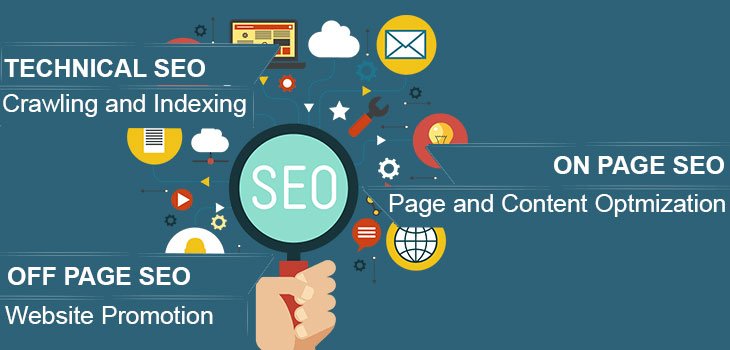
An effective SEO approach includes:
- Content optimization (On-page SEO)
- Authority building (Off-page SEO)
- Website structure and performance (Technical SEO)
Together, these form the foundation of a high-performin
On-Page SEO Techniques That Improve Rankings
On-page SEO refers to the optimization of elements within your website to improve its ranking on search engines.
Here are key on-page SEO techniques you must focus on:
1. Optimize Title Tags and Meta Descriptions
Your title tag should include your primary keyword “SEO Strategies” and must be under 60 characters. The meta description should be compelling and within 150–160 characters.
These elements improve your click-through rates (CTR).
2. Use Proper Heading Structure
Organize your content using:
- H1 for the main title
- H2 for subtopics
- H3 for supporting points
This helps both users and search engines understand your content easily.
3. Keyword Placement
Include keywords naturally in:
- First 100 words
- Subheadings
- Image alt text
- URL
- Conclusion
Avoid keyword stuffing. Focus on readability.
4. Content Quality & Length
Google favors in-depth, useful content. Aim for 800–1500 words per page. Solve real problems and answer user queries clearly.
5. Image Optimization
Compress image sizes and use descriptive ALT text such as:
“On-page SEO checklist for website optimization”
“Technical SEO factors for better website speed”
Image optimization improves page speed and accessibility.
This helps SEO and keeps users on your site longer.
Off-Page SEO Strategies for Better Authority
Off-page SEO focuses on external actions that improve your site’s reputation and authority.
1. Backlink Building
Get high-quality backlinks from:
- Authority websites
- Industry blogs
- News platforms
- Forums & communities
These backlinks act as “votes of trust” for your website.
2. Guest Blogging
Write guest posts for relevant blogs in your industry. This helps you earn backlinks and establishes your position as an expert.
3. Social Media Promotion
Sharing your content on platforms like Instagram, LinkedIn, Facebook, and Twitter increases visibility and drives traffic to your website.
Although social links are not direct ranking factors, they boost engagement and brand recognition.
4. Brand Mentions
Even unlinked brand mentions help improve your digital presence. Monitor brand mentions using tools like Google Alerts.
Technical SEO Checklist for Website Health
Technical SEO ensures that your website meets the technical requirements of modern search engines.
Here are the key technical SEO factors:
1. Improve Website Speed
Page speed is a ranking factor. Use:
- Image compression
- Browser caching
- Minified CSS & JavaScript
- Fast hosting
Tools: Google PageSpeed Insights, GTMetrix
2. Mobile-Friendliness
Your site must be mobile-responsive because Google uses mobile-first indexing.
3. Fix Crawling & Indexing Issues
Use Google Search Console to:
- Submit sitemap
- Fix crawl errors
- Find broken pages
- Optimize robots.txt file
4. Secure Your Website (HTTPS)
An SSL certificate ensures site security and increases user trust.
5. Structure Data & Schema Markup
Schema helps search engines better understand your content and increases the chances of featured snippets.
How SEO & Paid Marketing Work Together
SEO provides long-term growth, while PPC (Google Ads) offers quick results. Smart marketers combine both.
For example, after reducing unnecessary spending through optimized campaigns, you can focus on improving organic growth by strong SEO techniques.
If you want sustainable website growth, you must implement on-page, off-page, and technical SEO strategies together.
Remember:
✅ High-quality content
✅ Strong backlinks
✅ Fast & secure website
✅ Smart keyword usage
✅ User-focused optimization
SEO is not a one-time task it’s a continuous process that delivers long-term results.
Start applying these SEO strategies today, and you’ll see steady improvements in rankings, traffic, and conversions.
FAQs SEO Strategies Guide
1. What are the three types of SEO strategies?
The three main types of SEO strategies are On-Page SEO (optimizing content and website elements), Off-Page SEO (building backlinks and authority), and Technical SEO (improving website performance, speed, and structure).
2. Which is the most important: On-page, Off-page, or Technical SEO?
All three types are equally important. On-page SEO helps search engines understand your content, off-page SEO builds trust and authority, and technical SEO ensures that search engines can access and index your website properly.
3. How long does SEO take to show results?
SEO usually takes 3 to 6 months to show noticeable results, depending on competition, industry, and how well your strategies are implemented.
4. What is the role of backlinks in SEO?
Backlinks act as signals of trust for search engines. High-quality backlinks from reputable websites can significantly boost your rankings and domain authority.
5. Why is technical SEO important?
Technical SEO ensures your website loads fast, works on mobile devices, is secure with HTTPS, and is free from crawl errors — all of which affect rankings
6. Can SEO reduce my Google Ads spending?
Yes. Strong SEO can bring consistent organic traffic, reducing dependency on paid ads. You can read more in our guide on How to Reduce Google Ads Cost Without Losing Leads
7. How often should I update my SEO strategy?
You should review and update your SEO strategy every 3–6 months based on analytics, search trends, and algorithm updates.
For deeper learning, you can explore more Digital Marketing Blogs at:
How to Reduce Google Ads Cost Without Losing Leads
On-Page SEO Checklist for Beginners & Experts
Technical SEO Checklist for Beginners & Experts
Google Ads vs SocialMedia Ads–Which Is Better?
10 SEO Tools Every Marketer Should Use
11 Proven Ways How SEO Can Help Your Business Grow Faster
Social Media Marketing Tips – Powerful Strategies to Boost Engagement & Growth
Pingback: On-Page SEO Checklist for Beginners & Experts - Website